
—English below—
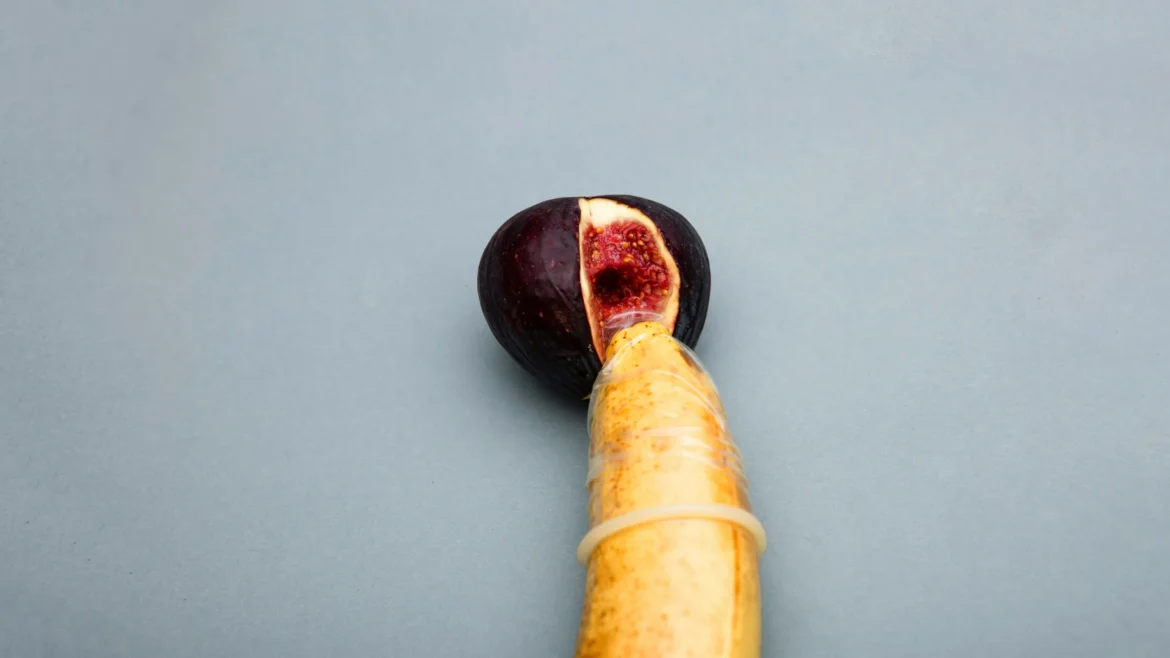
Ζούμε σε ένα κόσμο που το σεξ είναι παντού γύρω μας. Από τις διαφημίσεις γιαουρτιού μέχρι τις παρέες και φυσικά το “ντιβάνι” του ψυχοθεραπευτή όλα τα άτομα γύρω μας φαίνεται να μιλούν για το σεξ, λιγότερα να το κάνουν και ακόμα πιο λίγα να το απολαμβάνουν. Ταυτόχρονα το σεξ καθορίζει αν μια σχέση θα θεωρηθεί ερωτική ή “ΑΠΛΑ” φιλική, αν είμαστε φυσιολογικά ή τίποτα ανώμαλα, αν μια εργασία αξίζει να αναγνωριστεί ως τέτοια και να έχει τα αντίστοιχα δικαιώματα,κλπ,κλπ. Και φυσικά όταν μιλάμε για σεξ εννοούμε κατά κανόνα το ετερόφυλο διεισδυτικό σεξ. Όλες οι άλλες μορφές σεξ είναι υποδεέστερες αν όχι μη-φυσιολογικές και στην καλύτερη περίπτωση, όταν η κοινωνία μας δεν τις κυνηγά μαθαίνει να τις ανέχεται ή και να τις αποζητά όσο παραμένουν στο σκοτάδι και…”δεν προκαλούν”. Τα ασεξουαλικά άτομα δε παραμένουν αόρατα για τη συντριπτική πλειοψηφία του κόσμου.
Ακόμα και στα ετεροκανονικά πλαίσια ότι ξεφεύγει από τη διείσδυση θεωρείται απλά προκαταρκτικά μέχρι να περάσουμε στο κυρίως πιάτο. Έχει την πλάκα του επίσης ως μη-μονογαμικό άτομο να παρατηρώ τι θεωρείται απιστία και τι όχι στα πλαίσια των κατ’ όνομα μονογαμικών σχέσεων.
Όλη αυτή η έμφαση στη διείσδυση πέρα από την βαριά πατριαρχική νοοτροπία που κουβαλάει δημιουργεί πολλές φορές και ένα μεγάλο άγχος επίδοσης που καταστρέφει στο τέλος και την ίδια τη διείσδυση.
Με αυτήν την έννοια είναι πολύ χρήσιμες όλες οι πρακτικές (από την τάντρα μέχρι το κινκ)
και τα εργαλεία που παρά τις μεγάλες διαφορές τους μας βοηθούν να αποσυνδέσουμε το σεξ από τη διείσδυση και να το συνδέσουμε ξανά με την οικειότητα, τη φροντίδα, το παιχνίδι και την απόλαυση.
Και βέβαια χρειάζεται να μην ξεχνάμε ότι η σεξουαλικότητα συνδέεται με το τραύμα και να είμαστε έτοιμα να το συναντήσουμε, να συνομιλήσουμε μαζί του ξεπερνώντας το φόβο, και γιατί όχι να αλλάξουμε και το τέλος σε παλιές ιστορίες που συνεχίζουμε να παίζουμε σε επανάληψη με νέο καστ ηθοποιών στο εδώ και στο τώρα.
Μια στάση θετική απέναντι στη σεξουαλικότητα στο σύνολό της μέσα σε ένα τέτοιο περιβάλλον είναι κρίσιμο να διαχωρίσει το σεξ από τη διείσδυση και να το αναγνωρίσει και αυτό ως ένα φάσμα δυνατοτήτων, μια παλέτα από χρώματα που κανένα δεν είναι ανώτερο από τα άλλα και όλα μπορούν όταν συμβαίνουν μεταξύ συναινούντων ενηλίκων να είναι εξίσου αποδεκτά και απολαυστικά. Είναι κρίσιμο να δημιουργήσουμε χώρους και περιβάλλοντα όπου η σεξουαλικότητα, ο ερωτισμός , η αισθαντικότητα να γίνουν ξανά ένα παιχνίδι για μεγάλα παιδιά, χώρους όπου η ερωτική ενέργεια είναι μέσο σύνδεσης και επικοινωνίας, όχι διαχωρισμου και επίκρισης.
English
Penetration is one thing, sex is another
We live in a world where sex is all around us. From yogurt commercials to social gatherings, and of course, the therapist’s couch, everyone seems to be talking about sex, fewer people are actually having it, and even fewer are truly enjoying it. At the same time, sex determines whether a relationship is considered romantic or “JUST” friendly, whether we are normal or somehow weird, whether sex work deserves recognition and full rights, and so on. And of course, when we talk about sex, we usually mean heterosexual penetrative sex. All other forms of sex are viewed as subordinate, if not abnormal, and at best—when society isn’t persecuting them—it learns to tolerate or even desire them as long as they remain in the dark and «don’t cause a scene.» Meanwhile, asexual individuals remain invisible to the vast majority of people.
Even within heteronormative frameworks, anything that strays from penetration is considered merely foreplay until we get to the main course. As a non-monogamous person, it’s also fascinating to observe what is considered infidelity and what isn’t within nominally monogamous relationships.
This heavy emphasis on penetration, beyond carrying a deeply patriarchal mindset, often creates performance anxiety that ultimately ruins penetration itself.
In this sense, all practices (from Tantra to Kink) and tools—despite their vast differences—are immensely useful. They help us uncouple sex from penetration and reconnect it with intimacy, care, play, and pleasure.
And of course, we must not forget that sexuality is intertwined with trauma. We need to be ready to meet it, talk with it, move past fear, and why not rewrite the endings of old stories we keep replaying with a new cast of characters in the here and now.
In such an environment, a sex-positive attitude across the board must critically separate sex from penetration and recognize it as a spectrum of possibilities—a color palette where no single color is superior to the others, and where all expressions, when occurring between consenting adults, are equally valid and enjoyable. It is crucial to create spaces and environments where sexuality, eroticism, and sensuality become a playground for grown-ups again—spaces where erotic energy serves as a vehicle for connection and communication, not separation and judgment.

 Interested? Fill out the registration form:






 Bettina is a visual artist and facilitator from Berlin.
 Sotiris Lycourgiotis is a civil engineer with a master’s degree and a PhD in geography and the environment. He has taught for several years at the Technological Educational Institute of Western Greece and the University of the Peloponnese. He is also a graduate of the Department of Early Childhood Education. He has published four collections of poetry. His essays and poems have been published in anthologies, conference proceedings, and Greek and international journals.
 Christina G.M. (artist name Xtina) is a feminist artist and psychologist who is not afraid to take up space. She expresses herself through art, creating large-scale works inspired by female nature, as well as jewelry. She has begun her master’s degree in sexology and conducts workshops that combine female sexuality and art in Athens and abroad.
  Stamatina Barbagianni (BA, PgD, MSc) is a Psychologist and Relational Psychoanalytic Psychotherapist. She is a Probationary Full Member of the Institute of Relational and Group Psychotherapy (ISOP) and a Trainee Group Therapist according to Irvin Yalom at ISOP. She is a co-founder of “Sirens of Relations” and was a Psychologist (IDAX) at EOPAE (Harm Reduction). Lastly, she has contributed to the 2nd ISOPS Collective Volume.
 Eleni Orfanioti is a Kindergarten Teacher (BA), certified Play Therapist at “Erma,” and founder of “Cor.a Ceramics”. She uses freehand ceramics technique.
 Christina Sarri is a psychologist, trained in counseling for chronic illness and disability and in integrative psychotherapy, author, speaker, and content creator on topics related to blindness
 George Sisyphus is a polyamorous, pleasure activist, and neo tantra practitioner. He is a graduate student in body psychotherapy at the Wilhelm Reich Institute and a doctoral candidate in Sociology at the University of Crete. He is the man behind sex-positive.gr, a website dedicated to the sex-positive movement. He has coordinated neo tantra seminars in Athens and Crete, men’s circles, etc. He participates in the cooperative project for the coordination of body workshops, retreats, etc. “Fireflies of Bliss”.
 Anastasia Stokou is a Psychologist – Relational Psychoanalytic Psychotherapist and Trainee Group Psychotherapist according to Irvin Yalom at ISOPS. She has been trained in Sex Therapy at the Buehler Institute. She is also a co-founder of “Sirens of Relations” and and a collaborator of EKISYP. Finally, she is Podcast Producer & host at “Cherry Psy Talks”.
 Maria Soorya Beant Tobrou, is a professional in the field of electronic page layout. In 2014 she moved from the island of Phaeacians to Athens and after a break for about a year and a half from any professional – work activity she started walking the path of the union of the self and her new love became the experience and the study of self-cognitive tools. “She is studying” what helps her to improve the quality of her life.
 Greta and Jochen Performers from Berlin
 Η
Η